
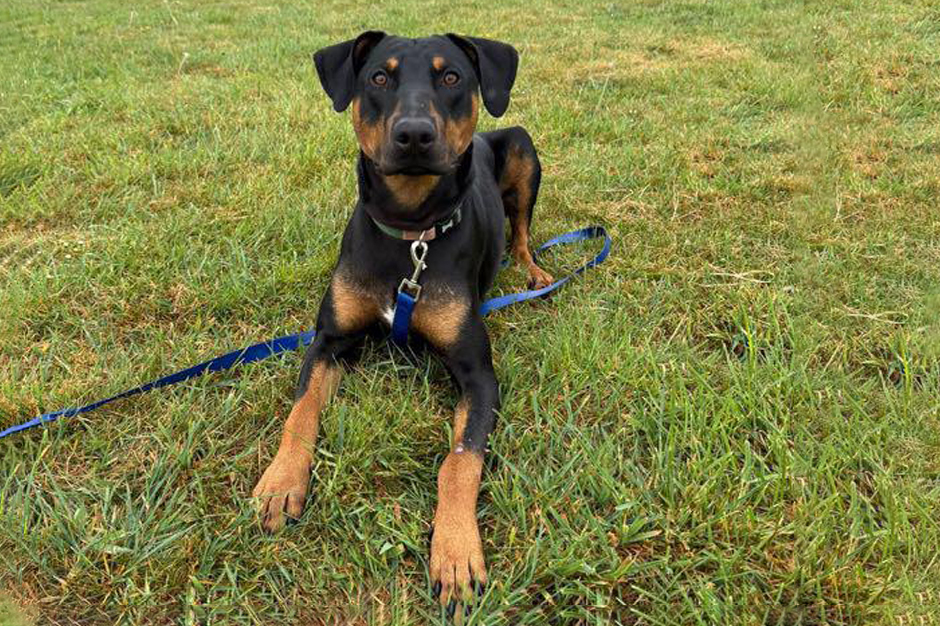
Has your lovely puppy suddenly entered the chaotic phase of adolescence, pulling, barking, lunging, and ignoring everything you say? I want you to know you are definitely not alone! This developmental stage can be difficult. For many dog owners in Bristol and Bath, it’s when those teenage problems escalate into worrying issues like reactivity and hyperactivity.
I’m here to tell you it’s not because your dog is being naughty; your dog’s brain is changing. Over the next month, I will be deep diving into why your adolescent dog is behaving this way and what positive steps you can take to help them succeed.
Why Is My Adolescent Dog Suddenly Such a Nightmare?
I often hear owners describe their adolescent dogs as “unpredictable” and “disruptive.” It can be very difficult to get them to settle and switch off. The reason for this manic behaviour is simple: massive changes are happening inside their bodies and brains.
- Hormonal Chaos: Much like human teenagers, a surge of hormones affects mood, focus, and drive.
- Brain Remodelling: The part of the brain responsible for impulse control and good decision-making is temporarily offline. Your dog literally forgets all their training!
- New Fears: Adolescence can bring new ‘fear periods.’ A small scare that a puppy might forget can become a lasting source of anxiety and fearful behaviour in a young dog.
This stage is also particularly difficult for rehomed adolescent dogs, who might already be dealing with trauma or a lack of confidence.
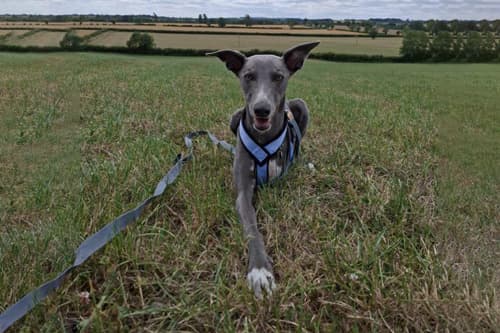
Why Is My Adolescent Dog Barking and Hyperactive?
If your dog starts excessively barking or becoming hyperactive, it’s usually a clear sign that your adolescent dog is struggling to cope with something in their environment.
- Hyperactivity = Unmet Needs: High energy is normal, but constant hyperactivity and an inability to settle often mean their mental and physical needs aren’t being met. They need a balance of mental and physical stimulation.
- Barking = Communication: If your adolescent dog is barking at every person, dog, or bike, they are communicating one of two things: “Go away, I’m scared (fear/reactivity)” or “Come play with me, I’m frustrated (arousal).”
- Pain = Agitation and Restlessness: Pain can really impact your dog’s behaviour and how they cope with daily struggles. An agitated and restless dog may be experiencing discomfort.
The Struggle to Settle: A dog that can’t settle is a dog living in a state of high arousal. This arousal can quickly fuel reactive behaviour on walks.
How Can I Stop My Adolescent Dog From Ignoring Me?
It can feel frustrating and embarrassing when your dog suddenly doesn’t listen to cues they knew perfectly last month. The solution is to go back to basics, build more understanding and value in your cues, and build a stronger bond with your dog.
- Stop Relying on Commands: Instead of shouting “Come!” five times, focus on engagement. Make sure you are using the right reinforcement for your dog—for example, providing chase, food, or even play to keep your dog motivated to listen.
- Go Back to Basics: Practice your cues in a calm, quiet location first, and slowly reintroduce distractions and different environments. Think of this as rebuilding their foundation skills.
- Make Training a Game: Turn training into fun, short games that your dog enjoys. This builds your bond and strengthens their focus, even when distracted.
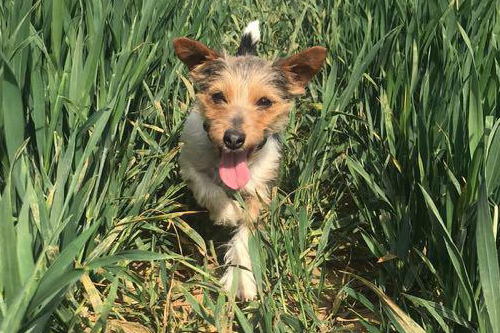
When Should I Seek Specialist Help for My Adolescent Dog?
What Can I Do Right Now to Prevent Reactivity?
Prevention is always easier than a cure. If you see early signs of reactivity (like freezing, staring, tension in the body, or growling) in your adolescent dog, focus on these positive strategies:
- Prioritise Management Over Training: Until you and your dog have better skills, manage the environment to prevent your dog from practising the wrong behaviour. If you know a spot is too busy, walk at a different time or use a secured private field.
Create Distance: This is the most powerful tool. If you notice your dog’s trigger in the distance, create space as quickly and calmly as you can. Remember, this is prevention before rehabilitation. - Teach Impulse Control: This teaches the dog to stop and think rather than immediately reacting. This gives you a bigger window of opportunity to ask your dog for a more desirable behaviour. Some easy impulse games can be things like “leave,” “stay,” or “It’s Yer Choice” by Suzanne Garrett.
When Should I Seek Specialist Help for My Adolescent Dog?
While some regression in behaviour can be normal during the adolescent months, persistent barking, lunging, snapping, or a clear inability to settle are red flags.
If you find yourself constantly dreading walks, feeling trapped, or worrying that your adolescent dog’s problems are getting worse, it’s time to contact a professional. Early intervention is crucial.
I specialise in transforming these complex behavioural challenges. I offer 1-to-1 dog training in the Bath and Bristol area to tailor a solution precisely to your dog’s needs, using only positive reward-based training methods.
Don’t let adolescent dog training turn into a permanent problem. My 10-Week Reactive Dog Training Programme is designed to give you the confidence, skills, and support you need for a calmer, happier life.
Recent Comments